Bleach is the trusty hero of laundry rooms and cleaning cupboards in most UK households, known for brightening fabrics, removing stains, viruses and bacteria. Today, we’re shining the spotlight on two different types of bleach: Chlorine Bleach and Oxygen-based Bleach. Lately, Oxygen Bleach has been stealing the show, especially for those leaning towards greener choices. But what exactly is it, and why is it making waves as a green cleaning champ?
WHAT IS OXYGEN BLEACH, AKA ECO BLEACH
Oxygen Bleach, also known as Natural Bleach, colour-safe Bleach or Eco Bleach, is chemically identified as Sodium Percarbonate. It is a safe, non-toxic, and biodegradable alternative to Chlorine Bleach. When dissolved in hot water, it releases a mixture of oxygen, Soda Crystals, and water, which act as a powerful stain remover and deodoriser, leaving no chemical trace behind. It is also known to effectively kill a wide range of bacteria, mildew, algae, viruses, and fungi. It is a must for eco-friendly cleaning, disinfecting, and laundry.

HOW IS OXYGEN BASED BLEACH DIFFERENT FROM TRADITIONAL BLEACH?
What sets Oxygen Bleach apart from traditional bleach is its eco-friendly and kinder nature; While both are bleaching agents, Oxygen Bleach uses Hydrogen Peroxide as its active ingredient, which breaks down into harmless oxygen, water, and Soda Crystals (Sodium Carbonate).

- Oxygen Bleach is great at removing stains, especially in hotter washes, but won’t damage most coloured fabrics (it’s colour-safe) and is much kinder to textiles than Sodium Chlorine Bleach.
- The Soda Crystals in Oxygen Bleach also soften water, helping your regular detergent perform better.
- It also has deodorising properties, which are excellent for removing unpleasant smells from clothes, furniture, and household items.
In contrast, traditional Chlorine Bleach contains Sodium Hypochlorite, a strong and highly alkaline chemical.
- In the UK, approximately 3,300 accidents in homes each year requiring hospital treatment are caused by exposure to sodium hypochlorite solutions. Even tiny amounts can cause skin irritation, harm your lungs, and, if not handled properly, lead to serious health issues and death (Trusted Source
 ).
). - Moreover, when Chlorine Bleach gets into water systems, it releases free chlorine, which reacts with natural organic material (NOM). This creates harmful by-products called DBPs. Research shows some DBPs are linked to health issues like cancer, genetic mutations, and reproductive problems (Check out this study for more info)!
KEY DIFFERENCES BETWEEN CHLORINE BLEACH AND OXYGEN BLEACH AT A GLANCE
- Safety: Chlorine bleach is harsher and more hazardous, both to your health and the environment. It’s highly corrosive and can create harmful chemical compounds when it reacts with organic matter or other substances. Oxygen bleach is far gentler, but still needs to be handled with care (e.g., wear gloves if you have sensitive skin and avoid inhaling the powder).
- Environmental Impact: Oxygen bleach, also called Eco Bleach for a good reason, is far better for the environment, breaking down into biodegradable components like oxygen and water, making it septic-safe. Chlorine bleach has a larger environmental footprint due to its reactive nature and the by-products it can create.
- Disinfecting Power: Chlorine bleach is more effective as a disinfectant. It works quickly to kill bacteria, viruses, and fungi. Oxygen bleach can kill viruses, bacteria and fungi too, but it’s not as strong, needs a longer contact time and isn’t classified as a full-scale disinfectant.
- Fabric Care: Oxygen bleach is gentler on fabrics, including coloured items, making it the preferred choice for preserving textiles. Chlorine bleach, though stronger, can damage or discolour fabrics, particularly with repeated use.
- Whitening and Stain Removal: Chlorine bleach works better for tough stains on whites and achieving a bright white finish, as it’s more powerful and fast-acting. However, oxygen bleach offers a milder approach: it brightens both whites and colours and works well on organic stains by lifting them to the surface (Learn more about effective natural Stain Removal).
- Odour: Chlorine bleach has a strong, sharp smell that many find off-putting. Oxygen bleach is odourless, making it more pleasant to use.
- Versatility: Oxygen Bleach wins for versatility. It’s less corrosive and safe to use on most fabrics and surfaces, even those labelled Do Not Use Chlorine Bleach, making it a more flexible choice for your laundry and cleaning needs.
CLEANING SAFELY WITH CHLORINE BLEACH
As you can tell, we’re not exactly fans of Chlorine Bleach. It’s a strong, highly alkaline (learn more about the PH Factor) substance that requires careful handling. If you do choose to use it, here are some safety tips to keep in mind:
Stick to the Label
Always read and follow label instructions. Dilute bleach properly—using too much can damage surfaces, fabrics, or irritate your skin and lungs, while too little may not work effectively (Dilution rates according to experts). Mix it only with cold or lukewarm water, as hot water reduces its effectiveness. (Trusted Source ).
Chlorine Bleach Storage
Store bleach out of children’s reach, away from other cleaning products, particularly those containing acids or ammonia, as mixing can release toxic gases. Keep it in a cool, dark place, as exposure to heat and light can degrade its potency and release toxic gases. Once opened, use it within 6 months. So if you’re clinging to a bottle from the Jurassic era of your cleaning stash, it’s probably less effective than you think.
What not to clean with Chlorine Bleach
Chlorine Bleach works well on hard, non-porous surfaces like countertops, sinks, toilets, bathroom tiles, and certain plastics. However, avoid using it on porous materials (such as untreated wood), soft furnishings, metals, painted surfaces, or coloured fabrics, as it can cause damage. Always test on a small, inconspicuous area if you’re unsure.
Chlorine Bleach Safety Precautions
Chlorine Bleach can irritate your skin, eyes, and respiratory system, so stay safe. Wear gloves, safety goggles, and old clothes to protect yourself from splashes. Rubber boots or waterproof shoes can protect your feet and footwear from spills. Proper ventilation is key: Open windows or use a fan to reduce fumes. If you have asthma or are sensitive to strong odours, you might want to avoid using Chlorine Bleach altogether.
Never mix Chlorine Bleach with any other Cleaning Products; this could be deadly.
Never mix Chlorine Bleach with anything other than water. This is especially critical for products with acid bases like limescale removers or even vinegar, as well as items containing ammonia or alcohol. Combining Chlorine Bleach with such substances can produce harmful gases. Chief among these is Chlorine Gas, which has been used as a chemical warfare agent. When Chlorine Gas comes into contact with moist tissues, such as those in the eyes or lungs, it forms hydrochloric acid. This compound breaks down tissues, causing significant harm. It can injure the respiratory system, lead to suffocation, and may even be deadly (Trusted Source ).
RECIPES FOR DESASTER:
Here are a few things to be extra careful about.
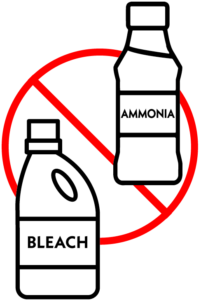
Bleach + Ammonia (Urine contains Ammonia!)
This combination can produce toxic chloramine gas vapours (shortness of breath and chest pain).
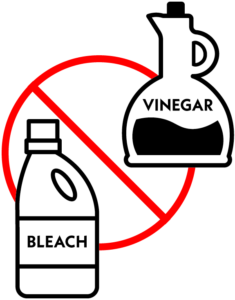
Bleach + Vinegar /Acids
This combination can produce toxic chlorine gas (coughing, breathing problems, burning and watery eyes).
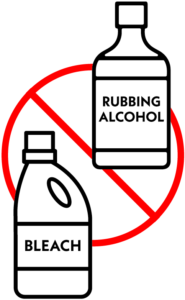
Bleach + Rubbing Alcohol
Creates chloroform when combined (highly toxic).
HOW TO USE OXYGEN POWDERED BLEACH FOR CLEANING AND LAUNDRY
Oxygen Bleach is easy to use, but there are a few tips to ensure you get the best results:
- Activate with Hot Water: Always mix Oxygen Bleach with hot water to dissolve it properly and unleash its full cleaning power. Use a container that’s large enough to handle the bubbling reaction. Avoid sealing the container completely, as pressure can build up during the reaction.
- Use Immediately: Once mixed, Oxygen Bleach solutions are most effective for about 4–5 hours. Only prepare what you need, as the solution will lose its potency over time. If you have leftovers, use them to freshen up the toilet before discarding.
- Handle with Care: Although gentler than Chlorine Bleach, Oxygen Bleach can still irritate sensitive skin or eyes. Use gloves and avoid inhaling the powder when mixing.
- Cleaning Applications: Oxygen Bleach is incredibly versatile. It’s great for laundry, surface cleaning, stain removal, and deodorising. Use it on most fabrics and surfaces, except for silk, wool, leather and sealed wood.
HOW TO USE OXYGEN POWDERED BLEACH FOR CLEANING AND LAUNDRY
Oxygen Bleach is easy to use, but there are a few tips to ensure you get the best results:
- Activate with Hot Water: Always mix Oxygen Bleach with hot water to dissolve it properly and unleash its full cleaning power. Use a container that’s large enough to handle the bubbling reaction. Avoid sealing the container completely, as pressure can build up during the reaction.
- Use Immediately: Once mixed, Oxygen Bleach solutions are most effective for about 4–5 hours. Only prepare what you need, as the solution will lose its potency over time. If you have leftovers, use them to freshen up the toilet before discarding.
- Handle with Care: Although gentler than Chlorine Bleach, Oxygen Bleach can still irritate sensitive skin or eyes. Use gloves and avoid inhaling the powder when mixing.
- Cleaning Applications: Oxygen Bleach is incredibly versatile. It’s great for laundry, surface cleaning, stain removal, and deodorising. Use it on most fabrics and surfaces, except for silk, wool, leather and sealed wood.
8 WAYS TO USE OXYGEN BLEACH AS AN ECO-FRIENDLY ALTERNATIVE TO CHLORINE BLEACH:
Make your own Eco Bleach Cleaner:
To prepare a potent Eco Bleach Solution for general cleaning, stain removal, and disinfection, mix 1 tablespoon of Oxygen Bleach in 250 ml of hot water (60°C) in a spacious container. Allow the solution to sit for 1 minute to release gases; the mixture will bubble up. Then, transfer it into a Trigger Spray Bottle and use it.
 Eco Bleach Kitchen Cleaner:
To clean and deodorise your entire kitchen, including the oven, apply the Eco Bleach Cleaner with a soft cloth or sprayer, let it stand for 5-10 minutes, and rinse. Spray your fridge and let the solution stand for approximately 30 minutes. Rinse and wipe it down with a damp cloth.
 Eco Bleach Bathroom Cleaner:
Use the Eco Bleach Cleaner as a general cleaning spray to naturally disinfect and deodorise your bathroom or any hard surfaces. Simply spray it, allow it to sit for 15-30 minutes, and then rinse and wipe it down with a damp cloth. Spray around the entire toilet and leave it for 30 minutes. Wipe the outside of the toilet with a damp cloth. Scrub the inside with your toilet brush and then flush.
 Eco Bleach Upholstery Cleaner:
Use the Eco Bleach Cleaner to remove stains on your upholstery. Begin by blotting up as much of the stain as you can. Before applying it all over, do a quick patch test to ensure it’s safe for your fabric. Once tested, spray the cleaner onto the stained area and gently massage it into the fabric with a soft cloth. Let the solution sit for 5 to 10 minutes to work its wonders. Finally, rinse the area with water and blot it dry.
 Clean your Carpet naturally with Oxygen Bleach:
Use the Eco Bleach Cleaner to de-stain and freshen carpets. Begin by clearing away as much dirt or liquid as you can. Always test a hidden spot on your carpet first, and remember, this solution isn’t suitable for wool carpets. Once you’re ready, spray the Eco Bleach Cleaner directly onto the stain. Gently work it into the area with a brush or cloth, and let it sit for at least 30 minutes to do its magic. Afterwards, rinse the spot thoroughly with fresh water and blot away any excess moisture using a clean cloth or towel. Once everything is completely dry, give the area a good vacuum to finish the job.
 Whiten and Brighten Laundry Naturally with Oxygen Bleach:
To whiten and brighten your laundry and for light stains, use as a laundry booster by adding 2 tablespoons (approximately 30 grams) of Oxygen Bleach to the washing machine dispenser drawer or drum per load. For tougher stains, add another 2 tablespoons per load.
 Oxygen Bleach Natural Stain Remover:
To spot-treat stains on clothing, mix some Oxygen Bleach and hot water into a paste, and leave the paste to sit for 15 minutes. Next, apply the paste directly to the stain and gently rub the fabric and let it work for at least an hour. Wash your item of clothing, following the washing instructions on the care label. Always spot test on an inconspicuous area of the clothing first to ensure that it does not cause any damage.
 Oxygen Bleach Grout Cleaner:
To clean the grout between tiles, combine Oxygen Bleach with hot water until you have a paste-like consistency. Allow the Oxygen Bleach to activate for a few minutes before applying it to the grout. For thorough cleaning, scrub the mixture into the grout using an old toothbrush, and then rinse off with water.
 Oxygen Bleach Drain Cleaner:
If your sinks or drains have started to smell or just seem less than fresh, put the plug in, then sprinkle in a couple of tablespoons of Oxygen Bleach. Add hot water, then wipe the solution around the sides and bottom of the sink. Leave the solution for a few minutes, then take the plug out and rinse the sink and drain.
What not to clean with Oxygen Bleach
Although Oxygen Bleach can be used to clean many items and surfaces around your home, there are a few places where you should use alternative products:
 Delicate Fabrics:
While Oxygen Bleach is safe on most fabrics, it should never be used on silk, wool, or any garment that has leather trim or wooden buttons.
 Sealed Wood:
Due to its non-corrosive nature, Oxygen Bleach is a versatile cleaning agent suitable for most indoor and outdoor surfaces, excluding both finished and unfinished wood surfaces like hardwood floors.
Oxygen Bleach Storage:
Oxygen Bleach activates when it comes into contact with water and releases oxygen. Therefore, proper dry storage is essential. Store Oxygen Bleach in a labelled airtight container in a cool and dry place, out of reach of kids and pets. Get a container with a tight seal, such as our glass jars to maximise its shelf life, but also to make it easier to scoop out when needed for cleaning. If you prepared a paste or a spray, never store it in a sealed container. The solution or paste continues to release oxygen and might lead to dangerous pressure buildup.
Oxygen Bleach Safety Precautions:
Oxygen Bleach (Percarbonate of Soda) is generally a safe product to use with low concerns (Trusted Source ), however, it is still very powerful, and there are some safety considerations to make when cleaning with it.
Wear gloves when cleaning with Oxygen Bleach, prolonged contact with the skin can also cause irritation. If breathed in, Oxygen Bleach can upset your respiratory tract; always use it in a well-ventilated room. Be sure to store it out of reach of children and pets, and avoid touching your eyes before washing your hands, as it can also cause eye irritation.
Test it out in an inconspicuous area before committing to a full clean.
Once the Oxygen Bleach has been mixed with hot water, do not leave it in a completely sealed container. If you are using it in a spray bottle, use the chemical immediately and dispose of any solution that remains once you are done. The reaction between the water and Oxygen Bleach continues and could build up a dangerous amount of pressure.
What not to mix with Oxygen Bleach:
Whilst it’s safe (and effective) to mix Oxygen Bleach with Bicarbonate of Soda, Soda Crystals, or Castile Soap – like in our Miracle Stain Remover – there are some combinations you should steer clear of. Avoid mixing it with other shop-bought cleaners or any substances you’re unsure about—especially those containing acids.
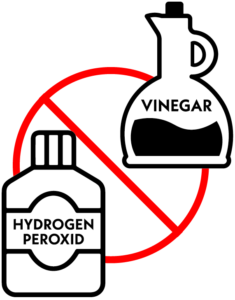
Hydrogen Peroxide (compound of Oxygen Bleach) + Vinegar/Citric Acid
Creates highly corrosive acid (peracetic acid) when mixed (can irritate the skin, eyes, and respiratory system).
A WORD ABOUT DISINFECTION AND DISINFECTANTS
A sharp rise in the use of chlorine-based disinfectants for household cleaning was seen during the pandemic, with usage jumping from 19.9% before COVID-19 to a whopping 48.7% after the outbreak (Trusted Source ). Chlorine Bleach had a big revival and became a go-to cleaner thanks to its ability to kill bacteria, viruses, and fungi, particularly in hospitals and public spaces.
Keeping our homes clean is, of course, essential for staying safe, but it’s worth remembering that some disinfecting products, particularly in spray form, come with their own health risks:
- Many of these products are packed with potentially harmful ingredients like chloroform, hormone-disrupting chemicals such as cyclosiloxanes and phthalates, and synthetic fragrances (Learn more about the risks of artificial Fragrances). These can impact your health, not just for professional cleaners but for anyone using them at home or work.
- Studies show that cleaning products can increase exposure to chemical pollutants and fine airborne particles ( Trusted Source ) . Regular exposure has been linked to asthma and rhinitis in workers, and at home, they can harm respiratory health, triggering asthma or asthma-like symptoms in both adults and children.
There’s also a considerable amount of confusion about when and if disinfecting is necessary and how to do it properly. Here are some key points to bear in mind:

Disinfecting Fact 1: Cleaning with soapy water alone is often sufficient
Regular routine cleaning with household products containing soap or detergent effectively eliminates dirt, germs, and impurities from surfaces. (Trusted Source ). This method alone can remove up to 99.9% of bacteria and germs.
You can make an hypoallergenic, organic All-Purpose Cleaner in 2 minutes using Castile Soap or you can use Microfibre Cloths that will remove an incredible 99,9% of Bacteria with water alone.
Disinfecting to reduce the spread of diseases at home is likely not needed unless someone is sick or if someone sick has recently visited or you live with a person with a weakened immune system (Trusted Source ). If you have to disinfect, focus on high-touch areas in kitchens, bathrooms, and living areas, including electronics like phones and remotes. Save the heavy-duty stuff for when and where it’s truly needed.
Disinfecting Fact 2: You can’t disinfect without cleaning first.
Cleaning always comes first—you can’t disinfect properly without it. It’s the crucial first step to get rid of most germs on surfaces in your home. Dirt and grime make it harder for disinfectants to work effectively (Trusted Source ).
Plus, organic materials can deactivate chlorine bleach (Trusted Source ) or produce toxic gases. The combination of bleach and urine creates Chloramin Gas, so clean up urine completely before using any chlorine bleach-based products and flush the toilet before using it again (Trusted Source ).
Disinfecting helps kill viruses and bacteria left behind after cleaning, further reducing the risk of spreading germs that can make you sick. In addition most people spray and wipe, but they don’t allow enough contact time for the product to properly disinfect.
Disinfecting Fact 3: Good hand hygiene is more efficient than disinfecting.
While keeping homes clean is important, proper hand hygiene has a far greater impact on preventing the spread of infections. Washing hands thoroughly and regularly is one of the most effective ways to control the transmission of illnesses, especially those that cause respiratory infections, diarrhoea, or vomiting (Trusted Source ).
Encourage everyone in the household to wash their hands: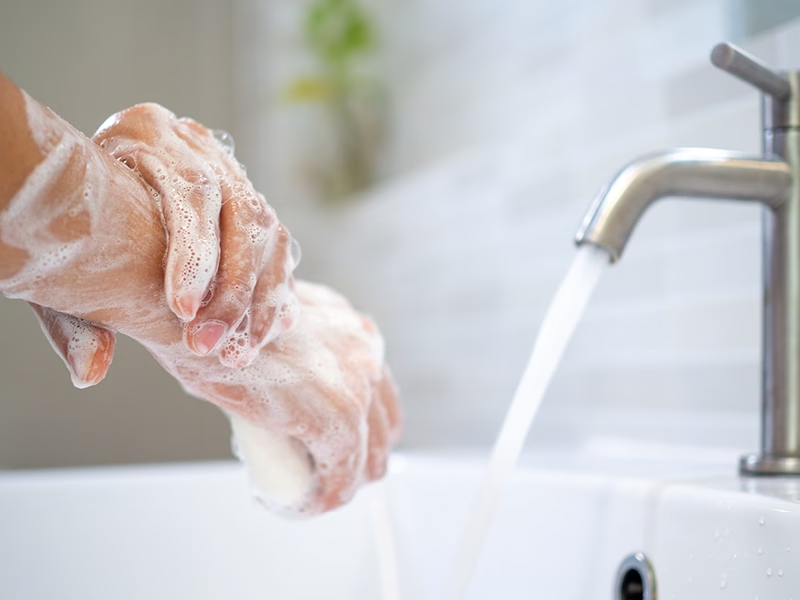
- After using the toilet
- Before eating or handling food
- After touching animals
- After playing outside
THE BOTTOM LINE: IS OXYGEN BLEACH AN ALTERNATIVE TO CHLORINE BLEACH?

When it comes to deciding between Chlorine Bleach and Oxygen Bleach, it’s less about a cleaning product showdown and more about understanding your needs. Chlorine Bleach gets the job done but let’s take a step back – what exactly ist the job? Using Chlorine Bleach is a bit like trying to remove a fly with a sledgehammer. It works, but you might pay for it with a headache, irritated lungs, or a wardrobe casualty.
Chlorine Bleach might still be the heavyweight champ for extreme cases (crime scenes, anyone?), but if your mission is everyday cleaning, brightening whites and coloured items, and keeping things fresh without the drama, Soap, Water and Oxygen Bleach is your go-to. This eco-friendly alternative to Chlorine Bleach is more versatile, gentle on fabrics, without giving you or Mother Earth a headache.